
From the blog
Why the Same Formula Has Several Names
Most supplements are not made by the company whose name is on the front. A contract manufacturer develops a formula once and sells it to several brands, each of which adds its own name, colours and sales page. You can spot it from the panel: the same blend weight, the same ingredients in the same order, the same footnote and the same distributor. When two brands are the same product, the only things left to compare are price, refund terms and whether the phone answers.
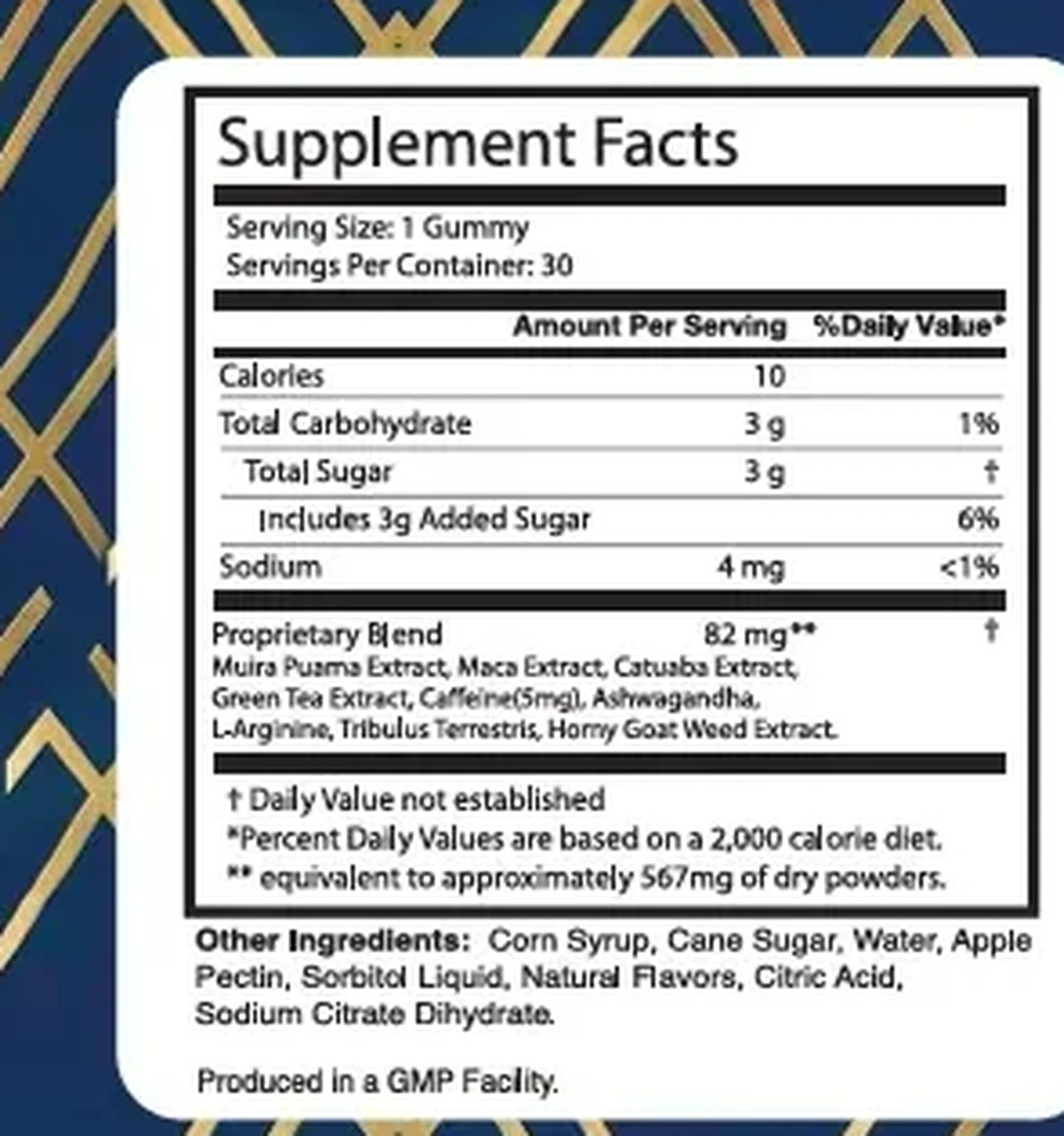
Who actually makes a supplement
Every page, every journal post, the bottle facts and the ingredients go through review by Dr. Rachel Rubin, MD before they ship. Ask most people who makes the supplement in their cupboard and they will read the name on the front of the bottle. That name is usually a brand, and a brand is usually not a factory.
The industry is organised around contract manufacturers: companies that own the mixing equipment, the gummy depositors, the encapsulators and the quality systems, and that make products to order. A brand comes to them with a budget and a category — “a men’s vitality gummy” — and leaves with a finished product. Often the formula is one the manufacturer already had on a shelf.
That arrangement is called white-labelling, or private-labelling, and it is entirely legal. It is also how a very large share of the supplements sold online reach a customer. It is why a category can go from nothing to fifty brands in eighteen months: nobody had to develop fifty formulas.
What white-labelling is good at, and what it is not
It would be lazy to treat this as a scandal, because it is not one, and the honest version has two columns.
What it does well
- A small brand gets access to equipment it could never buy
- Quality systems, GMP audits and testing are done once, properly, at scale
- Costs fall, which is part of why these products are affordable
- A good formula can reach more people than one company could serve
What it hides
- Brand differentiation becomes a design exercise rather than a formulation one
- Comparison shopping across brands can be meaningless
- A weak formula is duplicated as easily as a strong one
- “Our proprietary formula” can mean a catalogue item
The second column is the reason this post exists. If you are choosing between two products, you are implicitly assuming they are different products. Sometimes they are not, and the assumption costs you the whole comparison.
How to spot it from the panel
A Supplement Facts panel is close to a fingerprint. Two brands can use the same ingredient list by coincidence — this category recycles the same dozen botanicals — but they do not match by coincidence on the details below.
| What to compare | Why it is diagnostic |
|---|---|
| Blend name and total weight | An exact match on an odd number, like 82 mg, is very unlikely to be coincidence |
| Order of the names inside the blend | The order is by weight, so matching order means matching proportions |
| Any amount printed inside the blend | A specific figure, like caffeine at 5 mg, is a formulation decision |
| Footnotes | A phrase like “equivalent to approximately 567 mg of dry powders” is written once, by somebody |
| Other-ingredients line | The gummy base is the manufacturer’s recipe, not the brand’s |
| Nutrition rows | Calories, carbohydrate, sugar and sodium follow from the base |
| Distributor block | The most direct evidence of all. Two brands, one address |
| Typos | The strongest signal available. Errors do not replicate independently |
That last row deserves emphasis, because it is the one that turns a suspicion into a conclusion. Two companies can independently choose the same nine herbs. Two companies do not independently make the same spelling mistake in the same sentence of the same warning paragraph.
Running the comparison on Jellyfil
We have read a different brand’s label — a different name, a different bottle design, a different website — and put it next to this one. Here is what matched.
| What we compared | On the Jellyfil label | On the other brand’s label |
|---|---|---|
| Blend name and weight | Proprietary Blend, 82 mg | Proprietary Blend, 82 mg |
| Ingredients inside it | The same nine, in the same order | The same nine, in the same order |
| Published amount inside the blend | Caffeine 5 mg | Caffeine 5 mg |
| Footnote | “equivalent to approximately 567 mg of dry powders” | Word for word the same |
| Nutrition rows | 10 calories, 3 g carbohydrate, 3 g sugar, 4 mg sodium | Identical |
| Other ingredients | Corn syrup, cane sugar, water, apple pectin, sorbitol liquid… | Identical |
| Distributor | Instituto Experience, Lakeland FL 33804 | Identical, with the same phone and email |
| Warning typo | “consult your doctor is any adverse reactions occur” | The same typo |
Eight matches, including a typo and a distributor address. The bottles look nothing alike: one is navy and gold art deco, the other is not. The marketing is different, the ingredient graphics name a different subset of six, and the sales pages promise different things.
Underneath, on the only part of the package that is a regulated document, they are the same product.
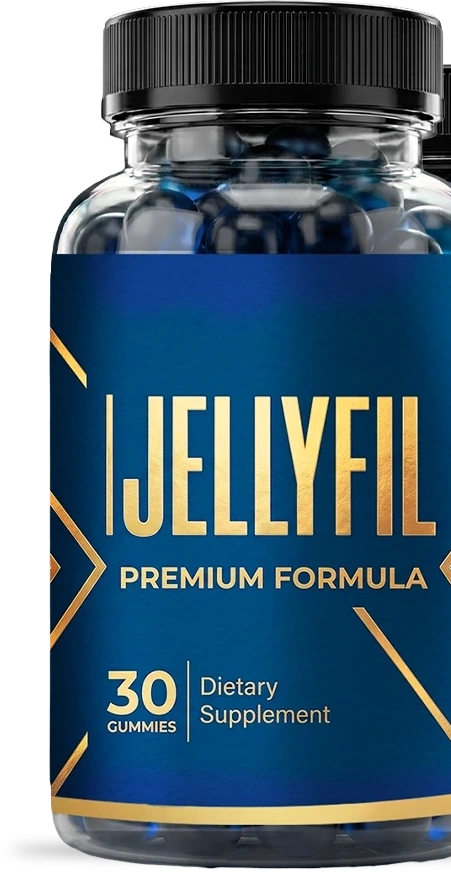
Read the Jellyfil panel for yourself, line by line.
Check today’s priceWhat it should change about how you buy
If two brands are the same product, then most of the ways people choose between supplements stop working. Here is what still works.
Compare panels, not pages
Two sales pages can differ completely while the products are identical. Two panels cannot.
Compare price per day
Total ÷ (bottles × days). If the product is the same, this is the whole comparison.
Compare refund terms
Window length, who pays return postage, whether opened bottles qualify. These are set by the seller, not the manufacturer, so they genuinely differ.
Compare the phone number
Call it before you buy. A desk that answers is a real difference between two identical products.
Ignore the branding
The bottle design, the name, the hero image and the bonus stack are the part that was cheap to change.
There is a version of this that is good news. If you have found a formula you like and a cheaper brand sells the same panel, you can buy the cheaper one with confidence. The fingerprint works in both directions.
And the question the panel cannot answer
Matching panels tell you two products were formulated the same way. They do not tell you the two batches are the same, and that distinction matters.
Two brands ordering the same formula can still receive material from different ingredient suppliers, made at different times, tested to different specifications — or not tested at all. The panel describes the recipe. A certificate of analysis describes the batch.
Neither brand here publishes one, which is the ordinary state of affairs in this category and the single document most worth asking a seller for. And the reason to ask is not academic: the FDA maintains a public list of sexual-enhancement products found to contain undeclared prescription drug ingredients, and that is a batch-level problem rather than a formula-level one (U.S. Food and Drug Administration, “Tainted Sexual Enhancement Products”).
The bottom line
Most supplements are made by companies whose names are not on the bottle. A formula is developed once and sold to several brands, each of which supplies the design and the promises.
You can detect it from the panel: the blend weight, the order of the names, the footnote, the other-ingredients line, the distributor and — most reliably — the typos.
On this product, eight of those matched another brand’s label exactly. That is not a reason to avoid it. It is a reason to stop comparing websites and start comparing price, refund terms and whether somebody answers the phone (U.S. Food and Drug Administration, “Dietary Supplements: What You Need to Know”).
Sources
- U.S. Food and Drug Administration. Dietary Supplements: What You Need to Know. FDA, current revision. Checked September 24, 2026.
- U.S. Food and Drug Administration. Dietary Supplement Labeling Guide, Chapter IV: Nutrition Labeling. FDA guidance for industry. Checked September 24, 2026.
- U.S. Food and Drug Administration. Tainted Sexual Enhancement Products. FDA health fraud database. Checked September 24, 2026.
- Federal Trade Commission. Health Products Compliance Guidance. FTC business guidance, current revision. Checked September 24, 2026.
Questions on this topic
More answers on the full FAQ page.
What is white-labelling?
A manufacturer makes a product and several brands sell it under their own names, designs and sales pages. It is legal and extremely common in supplements.
How can I tell if two supplements are the same product?
Compare the Supplement Facts panels: blend weight, the order of names inside a blend, any printed amount, the footnotes, the other-ingredients line and the distributor block. Matching typos are the strongest signal.
Is it a bad thing?
Not inherently. It lowers costs and concentrates quality systems. What it removes is your ability to compare brands meaningfully, because the difference between them may be only the packaging.
Is Jellyfil white-labelled?
We do not know who makes it. We do know that its panel — including the blend weight, the nine names in order, the caffeine amount, the footnote, the other-ingredients line, the distributor and a typo in the warning — matches another brand’s label we have read.
What should I compare instead?
Price per day, refund terms, and whether the phone number answers. Those are set by the seller and genuinely differ.
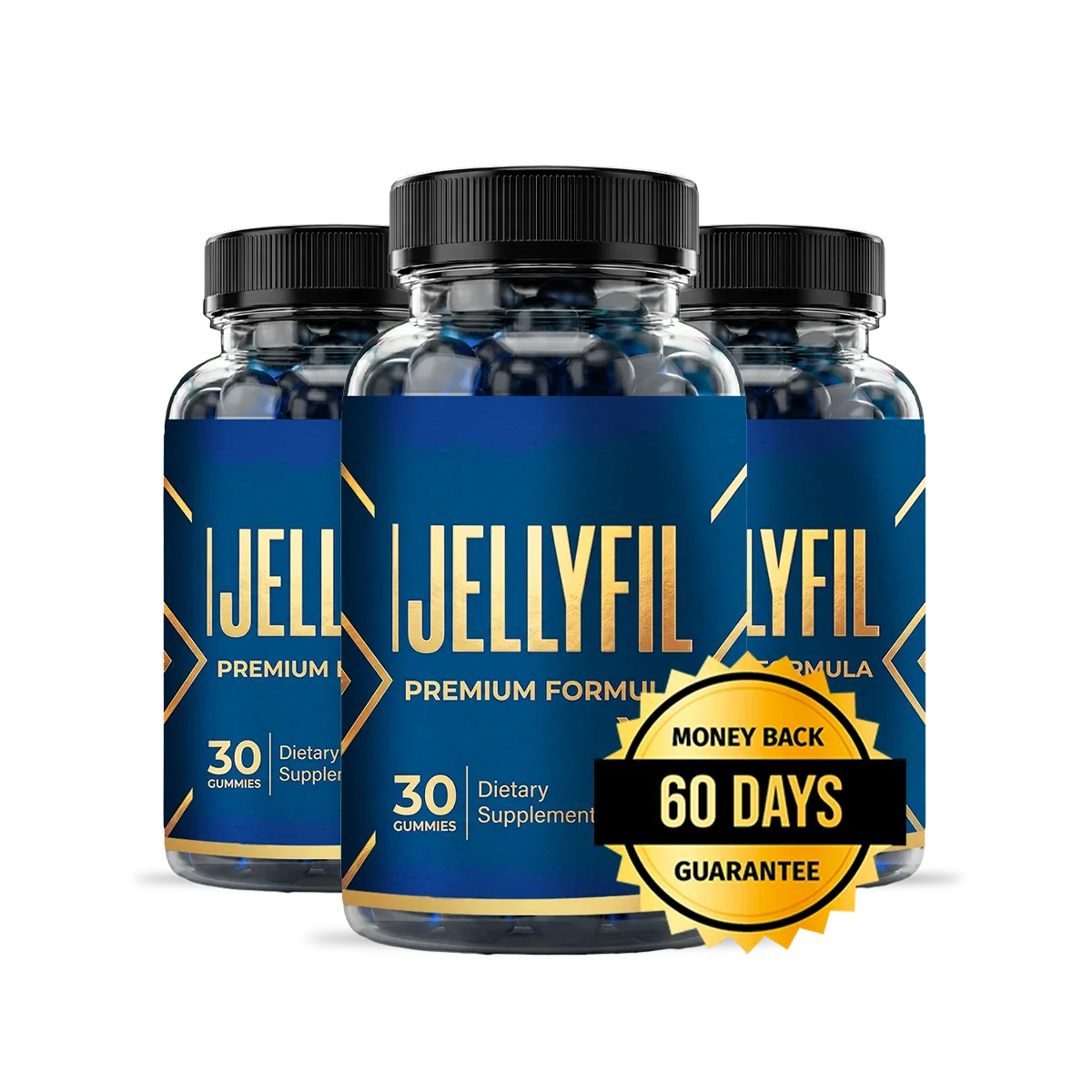
Ready to try Jellyfil?
Pick a pack and see the price at checkout. The money-back guarantee is 60 days from purchase, unless the sales page prints a longer window. Questions first? Contact the order desk.
Sold through a U.S. stocking partner for Jellyfil. This site is not the manufacturer and earns when you buy.Keep reading
How to read a proprietary blend
What a proprietary blend hides, the two things it still tells you, how to work out an ingr…
Read more →Logo bars, experts and bonus stacks
How a supplement page borrows credibility: institutional logos, expert portraits, stock do…
Read more →Jellyfil ingredients
All nine names inside the blend, one by one.
Read more →